

Guide To Ring Metals

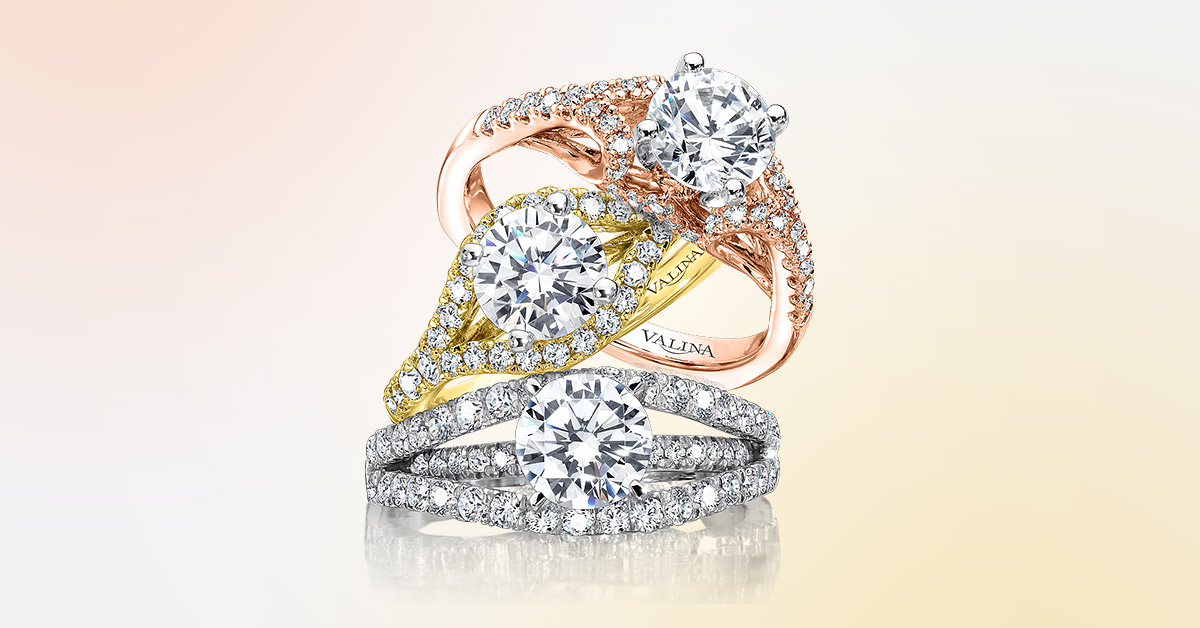
Metal is the foundation of nearly all fine jewelry. Its shine, strength, and malleability make it sturdier and easier to fix/resize than other jewelry binding methods, like the use of material or leather. The ring metals you will find at Valina, which we will discuss in more detail, include sterling silver, platinum, and 10K, 14K, and 18K white, yellow, and rose gold. Each metal has its own characteristics that make it better suited for different people, styles, and types of jewelry. Some are trendy, some are classic, and some are timeless. The question is, which ring metal is right for you?
Engagement and Wedding Ring Metals
All Valina and Caro74 branded bridal rings and bands come in 14K gold, unless specially ordered or customized with a different karat amount or metal. Most golds are mixed with other metals and alloys because pure 24 karat gold is so soft it is easily damaged and doesn’t retain its shape. These harder metal additives, in turn, make the gold harder and less prone to scratches, dents, and bending. As more alloys are added, the karat amount goes down: 18K gold is 18 parts gold and 6 parts alloy, 14K gold is 14 parts gold and 10 parts alloy, and 10K gold is 10 parts gold and 14 parts alloy. Higher karats are more expensive because they have a higher percentage of pure gold in them.
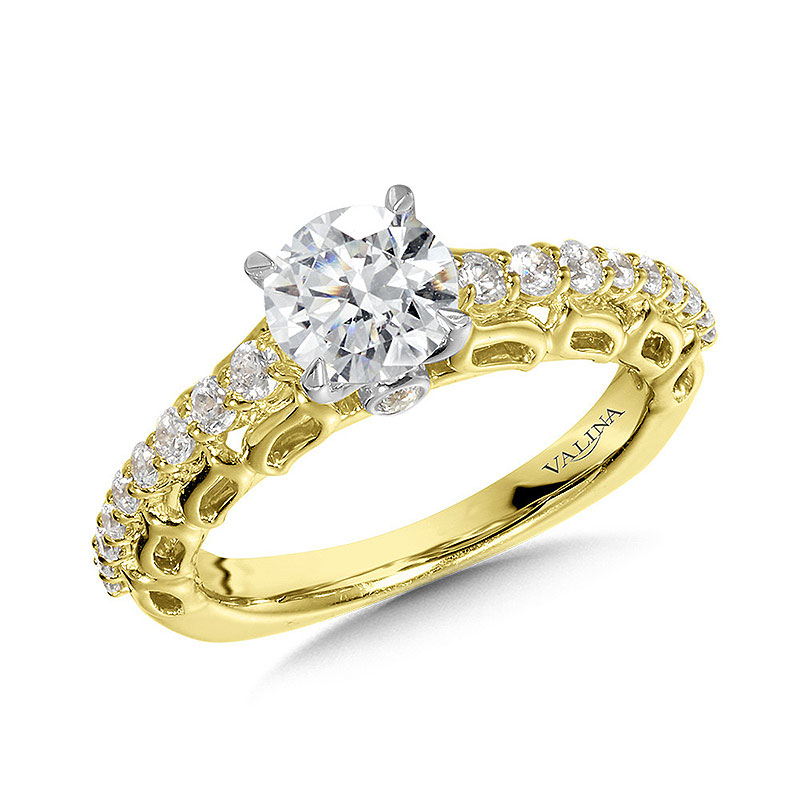
As for yellow gold, silver and copper are added to keep the rich yellow tone, while still being able to avoid rusting, tarnishing, and corroding. Yellow gold is the most classic and ancient ring metal because yellow is the natural pigment of gold, giving it a natural radiant glow. This is how gold came to represent the sun, gods, and kings – it is a warm tone that breathes life into a room. Therefore, it is no surprise that yellow gold was historically the most popular jewelry metal, especially for engagement rings and wedding bands. R1015Y, a straight flower-petal inspired engagement ring, is a great example of why yellow gold makes a gorgeous ring. The warm tone contrasts with its sparkling clear diamonds, creating a bold yet elegant design that anyone would love.
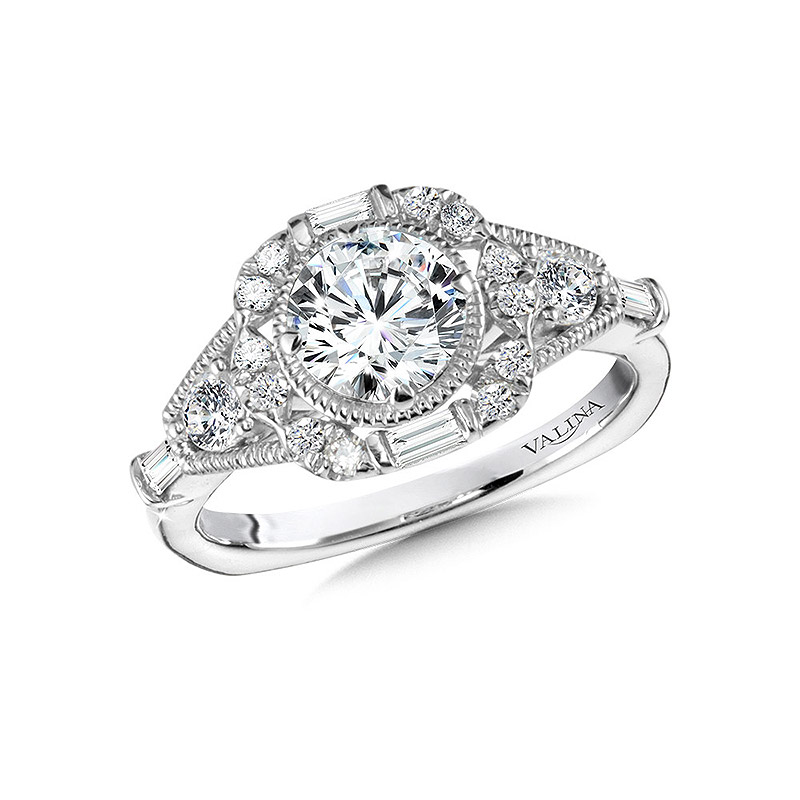
On the other hand, white gold is only mixed with naturally white metals and then the jewelry is plated with rhodium, mimicking the luxurious look of platinum, but at a lower price. R1014W, a vintage, cushion-shaped engagement ring, displays how well the white alloys completely disguise the natural yellow pigment of gold, manifesting that beautiful white platinum glow. The diamonds easily reflect across this ring’s shining surface, allowing their sparkle to spread across the metal. This gold is currently the most popular metal color for most jewelry including rings, having surpassed yellow gold in the 1990s. White gold dominates the jewelry industry because it feels fresh and it matches a lot more modern outfits and styles than yellow gold. Therefore, even though you can order Valina rings in Yellow, White, Rose, and Platinum, most are originally designed in white gold. Some businesses charge more for white gold, but we keep the price consistent for our customers no matter which gold color they order.
Our bridal rings can also be designed in platinum. Depending on gold’s ever-changing market value, platinum typically costs more than gold, requiring a price estimate when ordered. Platinum is typically more expensive because it is 30 times rarer than gold. Besides being rare, platinum is prestigious because it’s often 95% pure, making it completely white from the metal’s surface to its core. Additionally, it’s hard enough to keep its luster longer than gold and is naturally hypoallergenic. The only negative about platinum is that it is roughly 40% heavier than gold, but most people do not mind.
Fashion Ring Metals
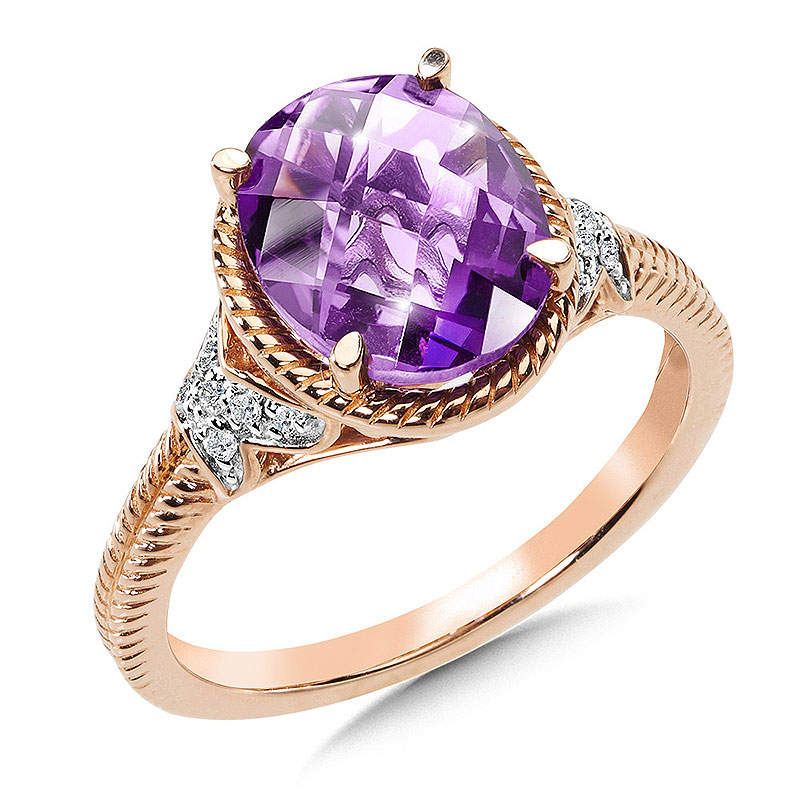
Rose Gold is not only a popular bridal ring color, but it’s also a popular fashion jewelry color. CGR101P-DAM, a Colore cocktail ring and popular engagement ring alternative for bold couples, shows how much more intriguing a ring can look with just a kiss of pink. Compared to yellow gold, rose gold is mixed with a higher quantity of red copper, creating its distinctive romantic pink tone. This metal has been in and out of fashion over the past few centuries. In the mid-1800s, or early Victorian age, rose gold was very popular in Russia and Europe. It also made a comeback in the roaring 1920s, but its most recent popularity started around 2012. This rose gold color trend has spread into the fashion, technology, makeup, and even houseware/dishware industries. You can get almost anything in rose gold these days. It is still a mystery whether rose gold is here to stay or if it is simply a trendy color. What we do know is that rose gold is more durable than yellow and white gold due to its high copper ratio, and its pink tone always complements a blushing bride’s complexion.
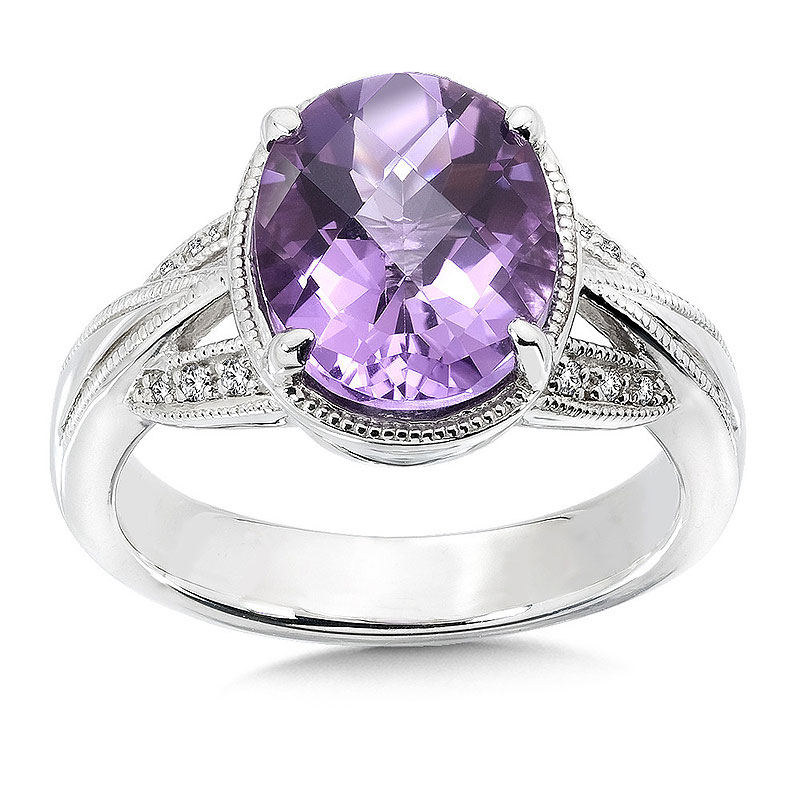
Unfortunately, not everyone can afford the high price tag that comes with gold and platinum. These customers typically choose sterling silver as their ring metal. In comparison to the $1,000 amethyst and rose gold cocktail ring discussed above, you can get LVR522-DAM, a nearly identical amethyst cocktail ring in sterling silver for $375. Even though silver has a much lower price tag, don’t let that fool you into thinking it’s cheap or sub-par. This metal has a brighter white than white gold, it is typically 92.5% pure, and it can be plated to take on the color of rose gold and yellow gold. Even though silver discolors and gets damaged easier than gold, in most cases, it can be cleaned and buffered back to its original quality. Yet, we do not recommend getting an engagement ring or wedding band in sterling silver because it will not hold up to everyday use nearly as well as gold. Being a lifetime investment, gold is best for bridal jewelry and silver is best for fashion jewelry items that are changed daily.
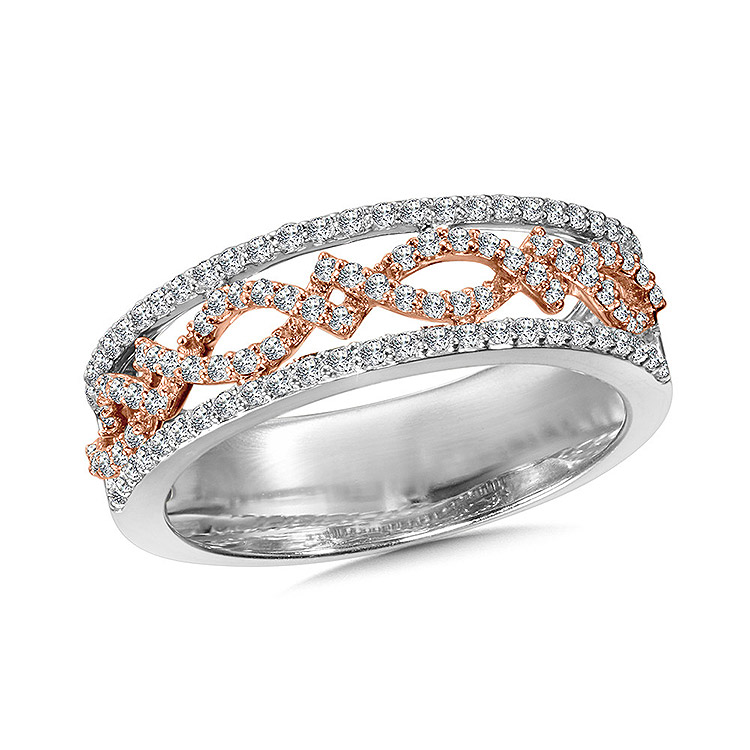
For more durable fashion jewelry, mixed metals have become very popular. Whether it is silver plated with gold, silver accented with gold, or multiple gold shades combined creating distinct patterns and contrasts, mixed metals make jewelry more exciting while adding the strength of gold. CDD2914-PW, a Celtic-inspired woven band, shows how much more a pattern pops when contrasting with white gold. For these reasons, mixed metals have started becoming popular for bridal rings and bands. The newest mixed metal trend is the stackable band trend, where consumers get a band in each metal color and stack them together or with an engagement ring. This way each band can be worn separately to match specific outfits that only call for one gold color, or they can be combined for a more exciting look. This is adaptable fashion, a trend we will discuss further in another blog post.
Other Metal Alternatives
Silver, Gold, and Platinum are the main metals Valina uses, but many other metals are used for jewelry, especially fashion jewelry and men's jewelry. For example, stainless steel and titanium are very commonly used for men’s jewelry. These metals have a more grey tone and they are very strong, with titanium being the naturally strongest metal on earth. These metals’ hardness also means they can take on matte and textured appearances easier, which is very popular among men. Yet, because titanium is so hard, it cannot be resized. The same is true for tungsten carbide, a growingly popular metal choice for women’s engagement rings.
In the end, there are many different jewelry metals, and depending on the intended use, specific metals are better than others. Fashion jewelry is more of an impulse buy, but for engagement rings and wedding bands that are consistently worn every day, please make sure you choose the right metal for you. Consider the clothes you wear, styles your sport, whether you have metal allergies, or whether you gain or lose weight easily. With an expert jeweler’s help and research, you cannot go wrong.


-
Affordable Statement Engagement Rings: Fancy & Decorative Halos
 June 24, 2021
 -
This Year’s Summer Accessory: Mixed Gemstone Necklaces
 June 8, 2021
 -
Round Shank vs. Euro Shank Engagement Rings
 April 27, 2021
 -
What Should I Give My Mom for Mother’s Day?
 April 6, 2021
 -
Two-Tone Mixed Metal Engagement Rings: Customizable Engagement Rings
 March 16, 2021