

What To Do With Rings That Don't Fit
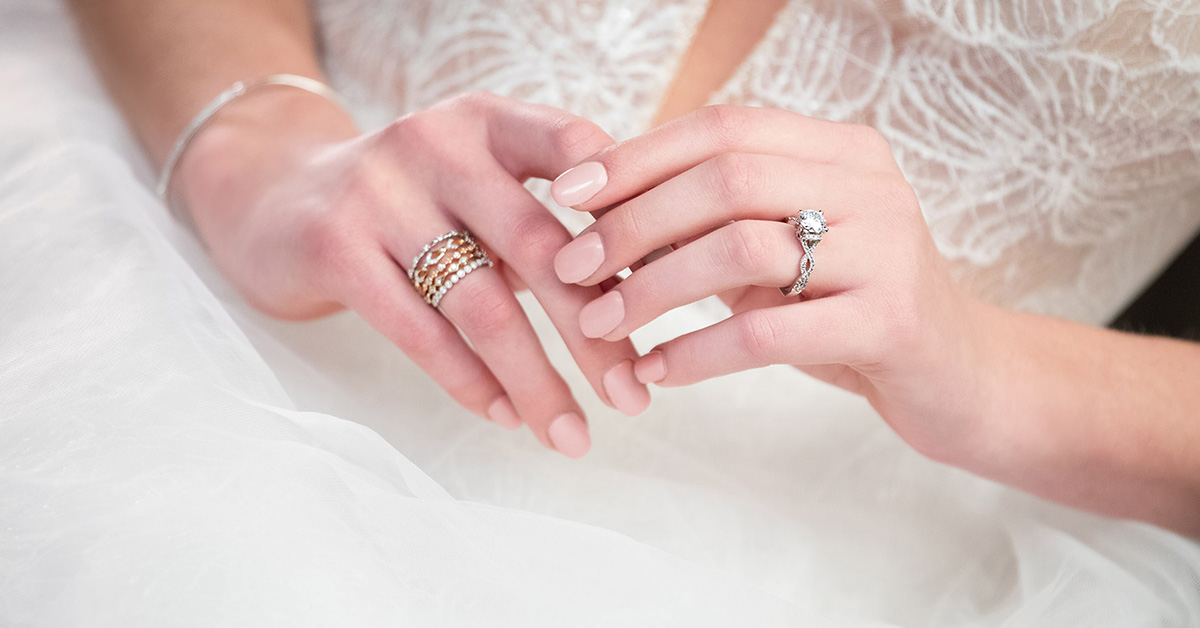

A skilled jeweler can size any ring to perfectly fit your finger - snug enough to not slip off, but loose enough to remove with ease. Unfortunately, finger sizes are not as reliable as ring sizes because fingers change with time. We gain weight, lose weight, and as we age, knuckles change shape, often becoming thicker. These circumstances result in a jewelry drawer full of rings that no longer fit. On the other hand, you might need to resize a ring that was given to you, like engagement rings, anniversary rings, or gifts. Whenever you are not present for a ring purchase, there is a strong possibility it will not fit. But do not worry, not all hope is lost for these precious and prized possessions.
The Best Ring Resizing Method
Whether a ring is too small or too large, the preferred resizing method is cutting the band. When sizing-up, this involves cutting the band and then pulling the sides out, creating a gap. The jeweler then places extra metal between the gap. When sizing-down, this involves cutting out a section of metal from the band and then joining the two ends together. The expert then melts and merges the shank by smoldering the seams with a flame and then polishes the metal. This is the only resizing tactic Valina supports.
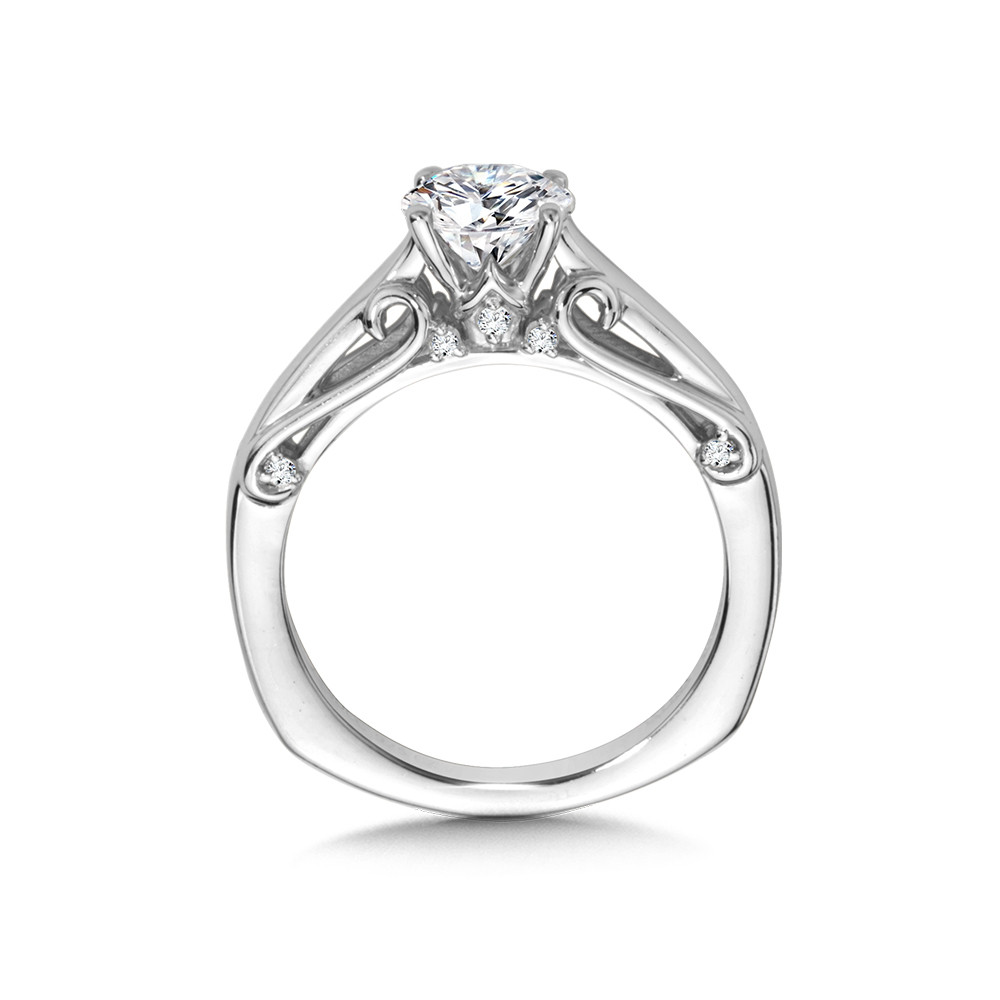
R1042W, a simple decorative solitaire ring, could easily undergo this procedure because roughly 75% of the shank is detail-free, meaning no important designs or diamonds will be damaged by the cut, pull/push, or polish.
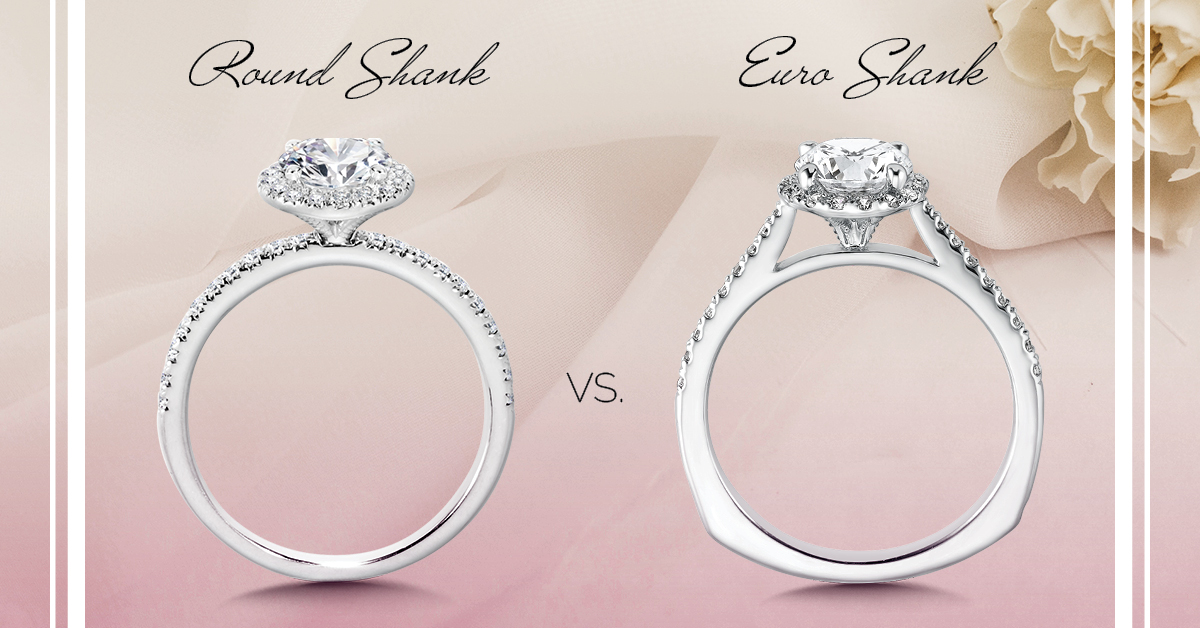
This ring, and all other Valina bridal pictures, feature a Euro shank. A Euro shank has a unique squared-off bottom that prevents the ring from tipping over and twisting on your finger. But if you want, you can order any Valina ring with a Round shank. Unfortunately, even though Euro shanks are useful, it they are more difficult to resize. To maintain the proportions of a Euro shank, when sizing up and down, the shank must be cut in three places: on the bottom and on both sides. Unlike Round shanks, just cutting the bottom of the shank to add or remove metal would change the Euro shank’s proportions, making its squared base less effective.
Ring Resizing Problems

Euro shanks are not the only issue to consider when resizing a ring. R1017P, a vintage-inspired, filigree and milgrain laced shank, is a great example of a very difficult ring to resize. Because the sides of the shank are so intricate, it is basically impossible to cut and perfectly match the detailing with new pieces of metal. Therefore, even if you have a Euro shank ring, if the detailing goes further than halfway down the shank’s sides, the only option is cutting the bottom.
Intricate detailing includes milgrain, filigree, and hand-engraved designs. The shank thickness is also a factor because thick bands that are hard to cut, and thin bands are very brittle, making them difficult to modify without fracture. Also, the heat from smoldering the band could gravely damage softer gemstones like pearls or opals, and treated gemstones like emeralds.
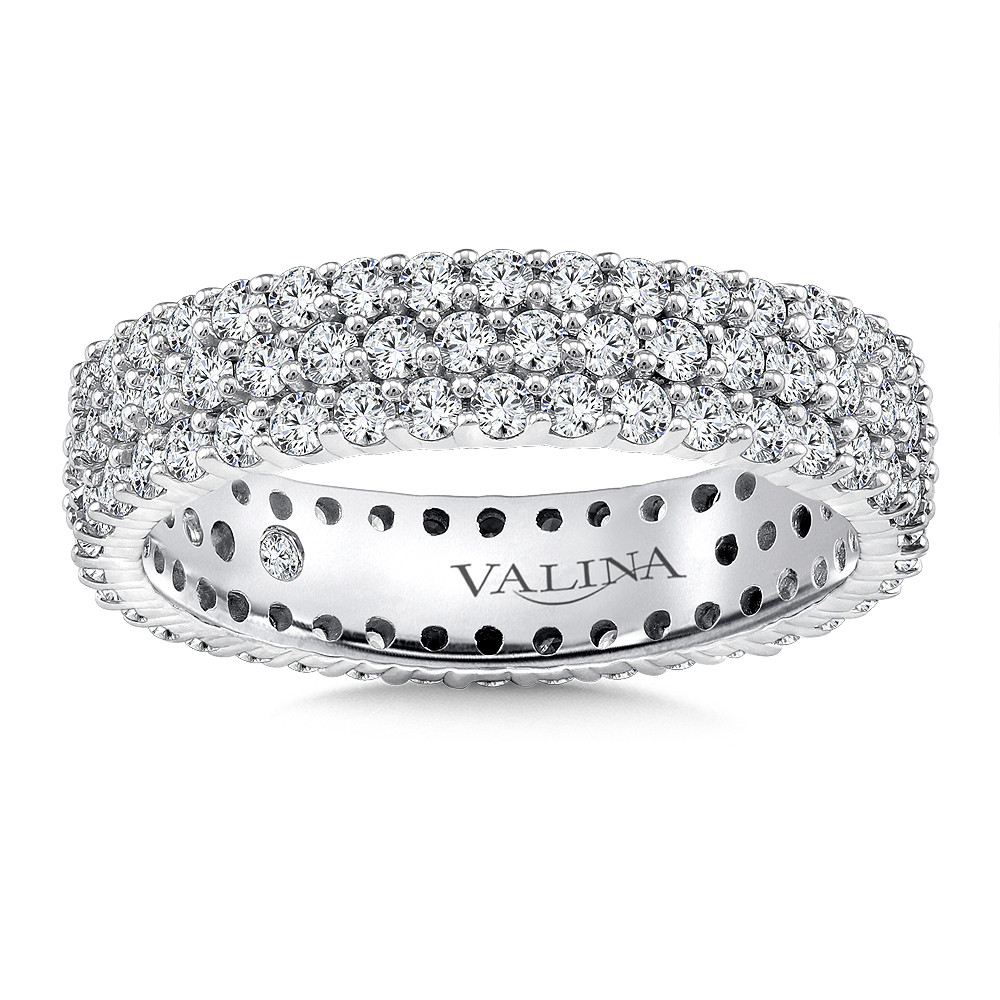
The stone setting is important as well. Pave and channel set diamond bands and shanks delicately hold diamonds in place, and any pulling or pushing could loosen the gems. Also, cutting through a strand of diamonds is very difficult. That is why resizing eternity bands, like R9711BW, is almost impossible unless you find a top-level resizing expert. An average jeweler could not resize a ring like this.
Basic Ring Resizing Rules
- Find a Reliable Goldsmith: Your best option is utilizing the store you purchased the ring from. Jewlers value their customers and will want to help you. Jewelers also have connections with talented goldsmiths and with the ring’s manufacturer. If your jeweler is not an option, research goldsmiths in your area or if you’re willing to ship your ring, search nationally. No matter what, choose someone with a Google rating as close to 5 stars as possible. Be warned, most manufacturer warranties, include Valina’s, is void if you get your ring resized by anyone but them.
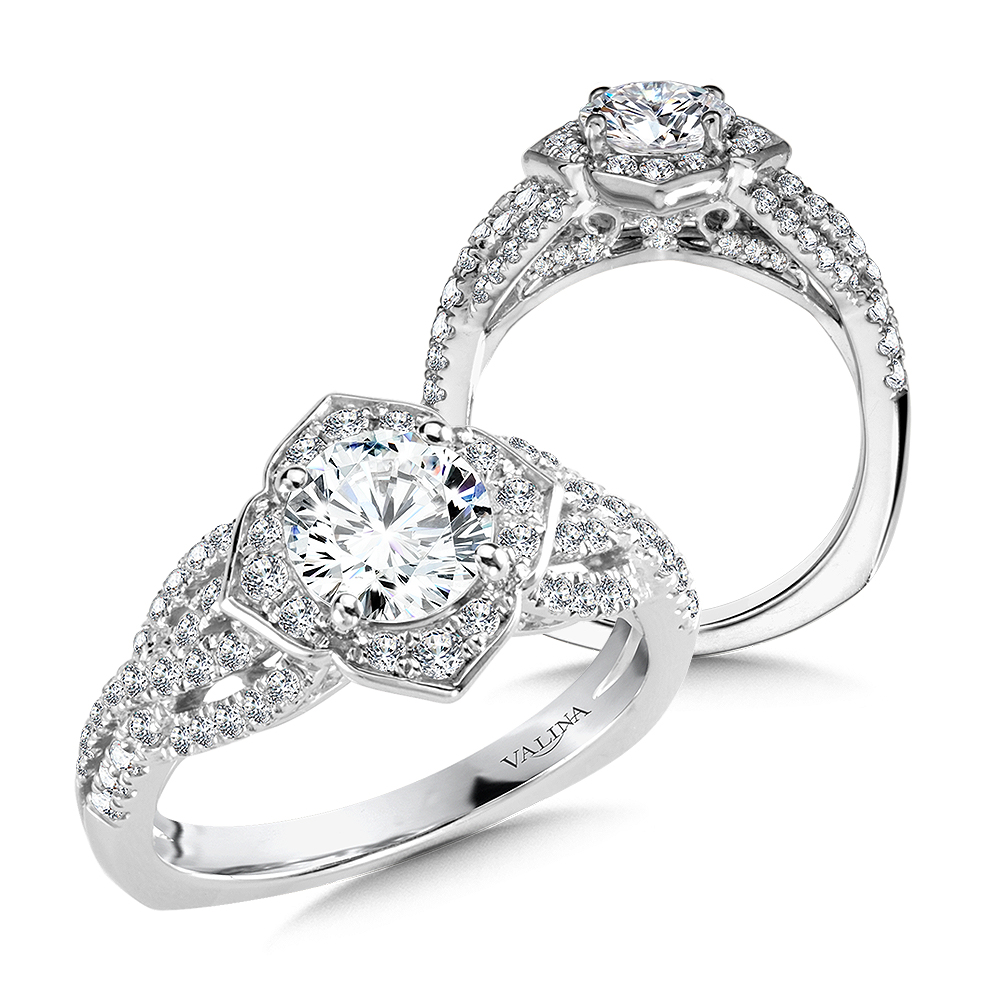
- Resizing Is Case Sensitive: As stated earlier, some rings are much easier to resize than others. The shank shape, ring style, gems, and design elements all alter the difficulty of resizing. For example, R1039W, a floral-inspired, crisscross and split shank engagement ring, might only have diamonds on the top 25% of the band, but due to its crisscross style, the shank has a deep split that goes down further than the diamonds. This split shank means the goldsmith must avoid cutting the sides or cut the sides and attempt to match the split, which is difficult.
- Integrity Limits: You can maintain a ring’s integrity (the shank shape, the detailing, and setting strength) within 2-sizes of the original ring size. Meaning, you can safely go up 2 sizes or down 2 sizes. Therefore, even though you can resize a ring beyond 2 sizes, it will make your ring look disproportionate and in general, different from the original design you loved.
- Extra Costs: In relation to rule 2 and 3, resizing beyond 2 sizes or resizing intricate rings often cost more because they require extra labor to complete. Similarly, sizing up also costs more than sizing down because gold is being added to the band. Yet, every goldsmith and jeweler charge different prices, so we cannot provide you any cost for resizing.
Ring Resizing Methods to Avoid
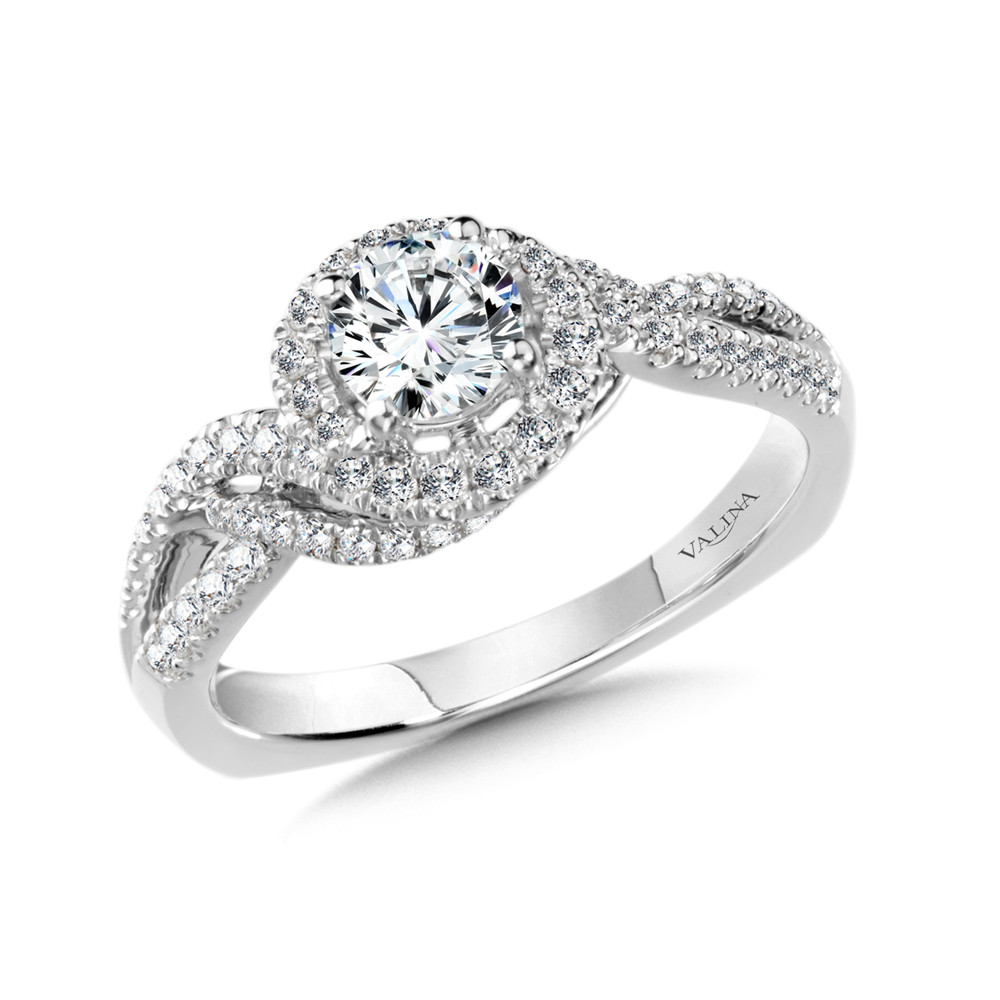
Some jewelers might suggest stretching a band to size it up, but this method can be very dangerous. Stretching thins out the gold, making the ring brittle. Stretching also extends the diamond prongs, making gems more likely to fall out. R1004W, a spiral style ring, could easily undergo a Euro shank cutting resizing, but if a jeweler attempted to stretch it, all those beautiful pave diamonds would come loose. Stretching would also distort the delicate twists of the golden diamond strands. Therefore, unless your ring is a plain golden band, or a plain-shank solitaire, halo, or three-stone ring, stretching is never advised.
Finally, when a ring becomes too loose, you can always utilize non-invasive methods to keep the ring from falling off. The most common tactics include fusing gold balls on the inner shank or placing a plastic, rubber, or metal ring guard on the underside of the shank. These methods are cheaper, but many people find them uncomfortable. Therefore, if you’re not bothered by extra material, this could be a good option, but if you have sensitive fingers, consider getting it resized by an expert instead.
Never Give Up
You should never give up on a ring you love just because it does not fit anymore. Engagement rings, wedding bands, and heirloom rings are supposed to last as long as your bond with the person who gave them to you, if not longer. Find a trusted expert to resize your ring so you can wear it again and feel just as happy as when you first got it!


-
Affordable Statement Engagement Rings: Fancy & Decorative Halos
 June 24, 2021
 -
This Year’s Summer Accessory: Mixed Gemstone Necklaces
 June 8, 2021
 -
Round Shank vs. Euro Shank Engagement Rings
 April 27, 2021
 -
What Should I Give My Mom for Mother’s Day?
 April 6, 2021
 -
Two-Tone Mixed Metal Engagement Rings: Customizable Engagement Rings
 March 16, 2021